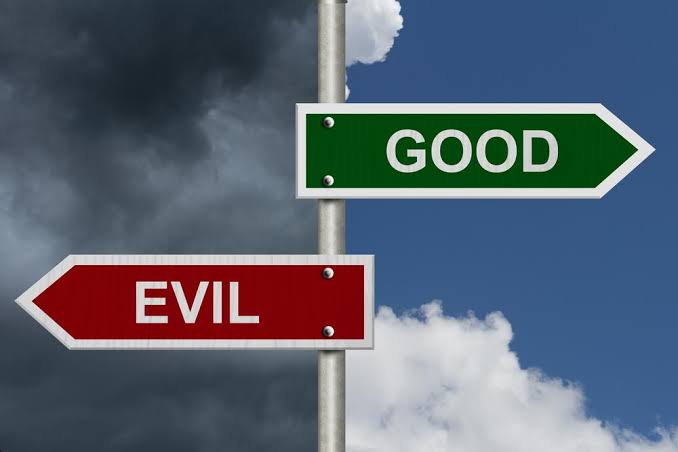
Us versus Them is another great way to grab a reader’s attention. It was a key element in 3 of the books I read this week. It was also a key element in Elise reading this week. In this trope, the morality of the groups are suggested to be on opposing sides. Often in a book, it might be oversimplified in order to make the sides more clear. As part of the storyline the author might portray facts that lead the reader to be empathetic toward one group of another.
The Witches of Cambridge plotline is a key example of Us versus Them with two different groups. Not only the obvious of witch vs not witch but the dichotomy of how men and women are treated in the 1950s. I didn’t realize how the women at Radcliffe were treated so poorly. They ended up taking classes in the hall and were not allowed in the labs with men. The professors were paid less to teach the women at Radcliffe as opposed to the same classes at Harvard. Women could not open a bank account without a male family member and buying a car, house or anything major required a man’s agreement and permission.
In the book, Birth of the Witch by Nora Roberts, the treatment of witch vs nonwitch is there. More so the book has the good versus evil component including bad witches bringing the undead to fight their battles, which puts the entire book into a fantasy. Certainly the battles between the two groups are a key element as is the finding of various artifacts to fight for the side of good.
In The Christmas Letter by Bronwen Evans, there is evidence of difference of classes and the treatment of each class. The book focuses on the tonne, but it is the regular people who do the actual work and are treated as less than. There is also the dichotomy between acceptable behavior of men and women. Two examples stand out:one of the characters wrote a note to an ex lover and the other one was a young unmarried woman going to a man’s house alone. Both examples are against the rules in England at that time!
Elise read The Resistance Book Club by Ellie Curzon is perhaps the easiest to identify. The overarching theme is good vs evil with the Nazi taking over the town and collecting/punishing the resistance. There is also the more obvious example with the Nazi systematically tracking and killing the Jewish population.
Each of the books used the trope of us versus them to gain interest and help the reader become more empathetic with the main characters. Certainly many of the romantic fantasy books that are being published today use this method.
Check out the reviews and interviews!